What We Do

Services

Every job we quote, from driveways to repair work, explained in plain terms.

HomeServices

Everything we take on

Every job below is one we do ourselves across Shreveport.

Concrete Driveways

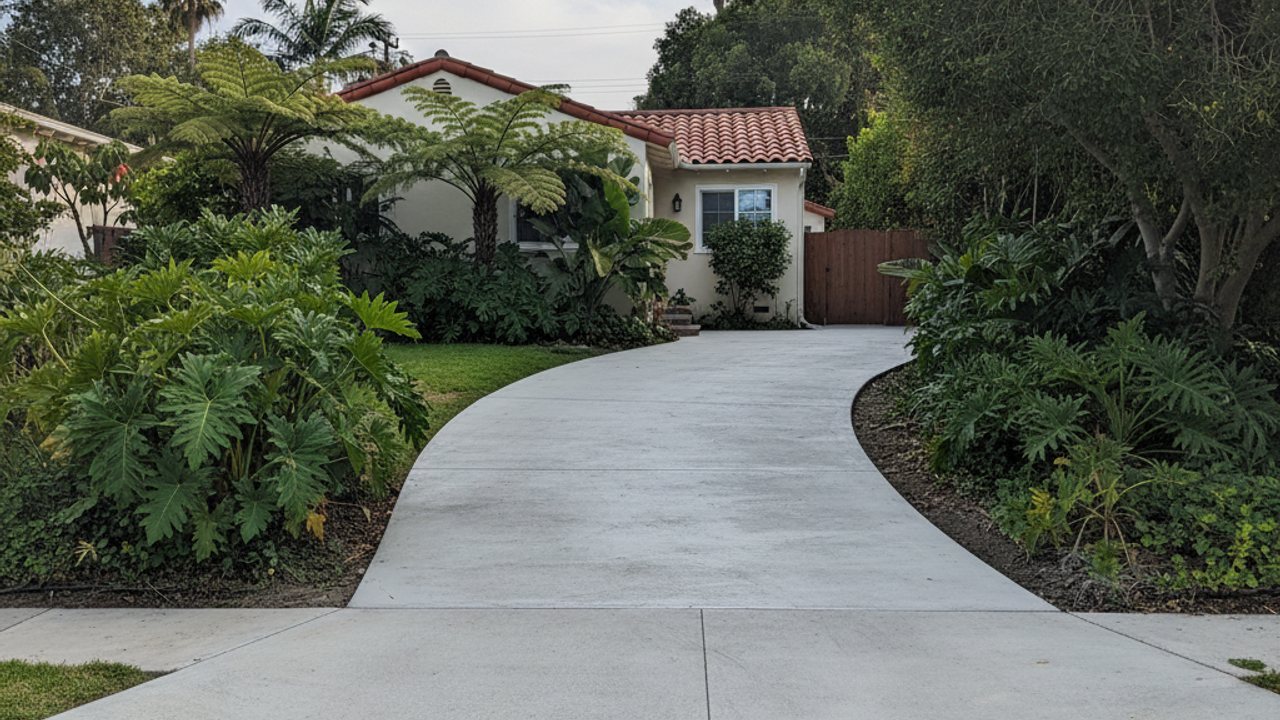
We pour driveways at least 4 inches thick, more if you're parking a truck or RV on it, and we use rebar instead of wire mesh for anything that size. Control joints go in within a day of the pour, cut at intervals that give the crack somewhere to go besides across your tire path. Expect to stay off it for about a week before you drive on it, even though it's walkable in a day or two.

Concrete Patios

Patios need a slope of about a quarter inch per foot away from the house, or water ends up back at your foundation instead of your yard. We broom finish or hand trowel depending on how much slip resistance you want once it's wet. We can pour it flush with an existing patio or slab if you're extending rather than starting over.

Stamped Concrete

Stamped concrete gets you the look of flagstone, brick or cobblestone without individual pavers to shift and settle over time. We color the concrete before the pour and stamp it while it's still plastic, then seal it once it's cured to bring out the color and block moisture. It costs more than a plain broom finish but a lot less than the real stone or paver version.

Concrete Slabs

We pour slabs for sheds, garages, workshops and equipment pads, and we size the thickness and reinforcement to whatever's going on top of it. A slab under a storage shed doesn't need what one under a car lift needs. We ask about the load before we quote it, because guessing wrong either wastes your money or leaves you with a slab that cracks under weight it wasn't built for.

Concrete Repair

Not every crack means you need a new driveway. Surface cracks and small settling can often be patched or mudjacked back level, and we'll tell you honestly when a section needs to come out instead of being patched over. Flaking or spalling concrete usually means the surface dried too fast during the original pour, and that's a repair, not something a sealer fixes.

Concrete Sidewalks

Sidewalks get poured to a set width and slope, and in parts of Shreveport there's a permit and inspection involved if the walk runs along the street. We match expansion joints to any adjoining city sidewalk section so the whole thing moves together instead of cracking at the seam. Broom finish is standard here for grip, especially with rain as often as we get it.

Concrete Steps & Porches

Steps have to hit a consistent rise and run or people trip on the one step that's different from the rest. We form and pour steps as one continuous placement with the porch slab where we can, so there's no cold joint working loose between them. Handrail post sleeves go in before the pour, not drilled in after, because a post set in a hole doesn't hold like one anchored in the slab itself.

Concrete Resurfacing

If a driveway or patio is structurally sound but the surface is pitted, scaling or just ugly, resurfacing with a bonded overlay can save you the cost of tearing it out. It won't fix a slab that's cracked and moving, that needs to come out and be repoured. We're upfront about which one your concrete actually needs before we quote either.

Retaining Walls

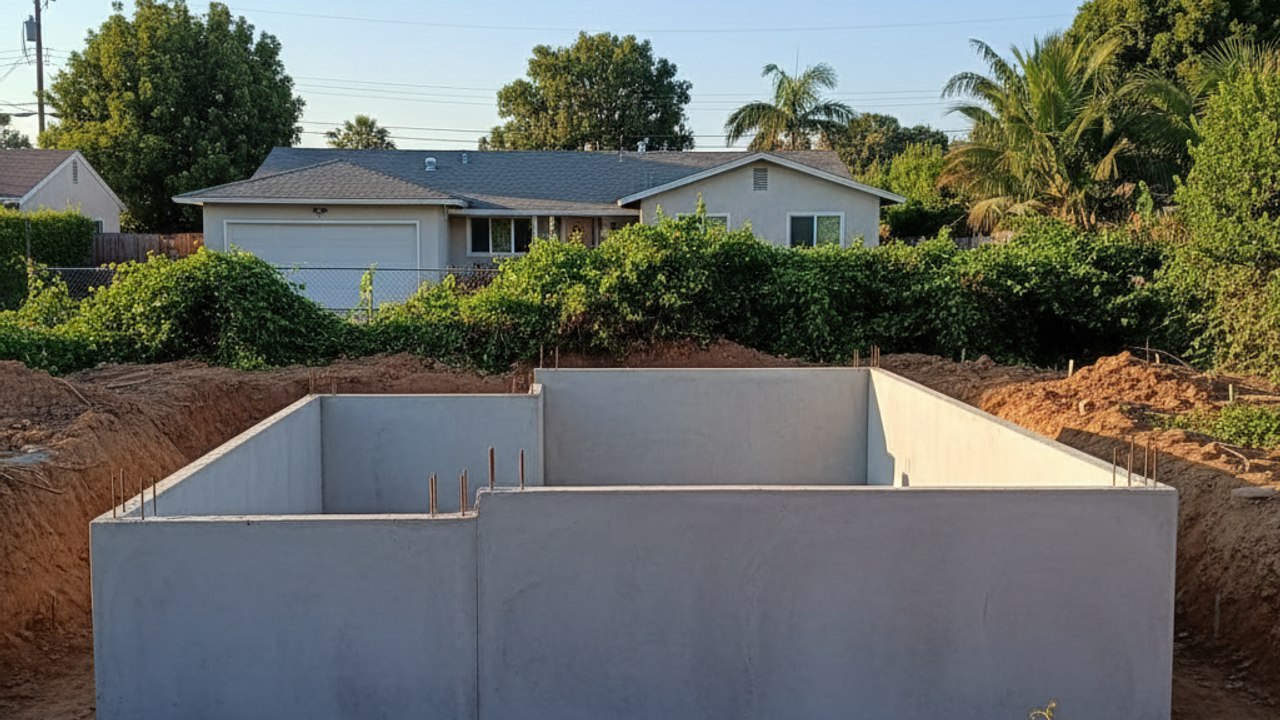
Concrete retaining walls hold back a slope or level out a yard that's been eroding into a driveway or foundation. We install drainage behind the wall so water pressure doesn't build up and push it out over a season or two. Height and footing depth depend on what the wall's holding back, which we figure out before we pour, not after.

Concrete Removal & Demolition

Old, cracked or heaved concrete has to come out before anything new goes in, and we saw-cut and break it up ourselves rather than subbing that part out. We haul off the debris the same trip, so you're not staring at a pile of broken slab for a week. This is usually priced with the new pour, not as a separate job, unless it's demo only.

How It Works

Four steps, and no surprises in any of them.

01

We come and look

You tell us what you want doing, we look at what is actually there, and we ask the awkward questions early.

02

You get a price

In writing, itemised, free. If something might add cost later we flag it now rather than at the end.

03

We do the work

Same crew throughout. We cover your floors, keep the dust down and tidy up before we leave each day.

04

We walk it with you

You point out anything you are not happy with and we fix it before the invoice, not after.

Where We Work

All of this, across Shreveport, LA

We travel to most of these areas without an extra trip charge.

Shreveport, LA
Bossier City, LA
Marshall, LA
Minden, LA
Mansfield, LA
Haughton, LA
Blanchard, LA
Benton, LA
Greenwood, LA
Vivian, LA
Stonewall, LA
Waskom, LA
Common Questions

Things worth asking

Questions that come up once a project actually gets underway.

Do I need a permit for a concrete driveway or patio?
Permit requirements for concrete driveways and patios depend on local building codes and whether the work affects a public sidewalk, drainage or setback lines. Driveway aprons connecting to a public street often require a permit and inspection, while a backyard patio may not. Checking with the local building department before work starts avoids delays or having to redo work that fails inspection.
How long does a concrete driveway take to pour and cure?
Pouring a standard residential driveway usually takes one day, including forming, placing and finishing the concrete. The slab can be walked on within a day or two, but it needs about a week before it's ready for vehicle traffic. Full cure strength takes closer to 28 days, though the driveway is functional well before that.
Can you work within a specific budget?
Concrete project costs can be adjusted by changing slab thickness, reinforcement type or finish, since a plain broom finish costs less than stamped or colored concrete. A contractor should be able to price out a few different options so a homeowner can pick what fits their budget without cutting corners on structural elements like reinforcement or base preparation. Reducing square footage or scope is usually a better way to control cost than skimping on mix or reinforcement.
Do you offer any guarantee on concrete work?
Workmanship guarantees on concrete work typically cover issues like improper joint placement, surface defects, or installation errors, separate from the natural aging and hairline cracking that occurs in almost all slabs over time. Guarantee terms vary by contractor and should be spelled out in writing before work begins. Concrete is not guaranteed against all cracking, since some minor surface cracking is normal even in a well-poured slab.
Who will I be dealing with during the project?
On most residential concrete jobs, a homeowner deals directly with the crew lead or project contact from the initial site visit through the final walkthrough. Having one consistent point of contact rather than being passed between office staff and crew makes it easier to address questions about finish, timeline or unexpected issues as they come up. This contact should be reachable by phone throughout the project, not just at the estimate stage.
What kind of concrete mix and materials do you use?
Residential concrete work typically uses a mix rated between 3,000 and 4,000 PSI depending on the application, with driveways needing higher strength than a basic patio or sidewalk. Reinforcement is either rebar or wire mesh, with rebar generally preferred for anything carrying vehicle weight since mesh can shift or sink during the pour. Sealers and colorants get added based on the desired finish, whether that's a plain broom finish or a stamped, colored surface.
Can I stay home during the concrete work?
Staying home during a concrete pour is generally fine, since the work happens outdoors and doesn't typically affect the interior of the house. Noise from a concrete truck, saws and finishing equipment is temporary and usually limited to the pour day and any saw-cutting afterward. Driveway access may be blocked during the pour and for several days while the slab cures enough to drive on.
How should I prepare the site before the crew arrives?
Preparing a site for concrete work means clearing the area of vehicles, furniture, planters or debris and marking any known underground utility lines or sprinkler heads. Removing landscaping or fencing that sits in the work area ahead of time speeds up the job, though a contractor can also handle that removal for an added cost. Access for a concrete truck and equipment should be kept clear on the scheduled pour day.
What happens if you find a problem underneath during excavation?
Unexpected issues found during concrete excavation, like old tree roots, buried debris, soft or saturated soil, or an abandoned utility line, usually require extra excavation or soil stabilization before the pour can proceed. These issues typically add cost and time to a project, and a reputable contractor will explain the problem and get approval before doing extra work. Soft soil in particular has to be corrected, since pouring concrete over unstable ground guarantees future cracking or settling.
How do I take care of new concrete after it's poured?
New concrete should be kept off vehicle traffic for about a week and pedestrian traffic for a day or two while it cures. Applying a sealer every few years helps protect the surface from staining, scaling and moisture damage, especially in climates with heavy rain. Avoiding de-icing salts and harsh chemical cleaners on the surface helps prevent pitting and discoloration over time.

Not sure what you need?

Describe the problem and we will tell you what it probably is. No obligation.
Call (318) 252-1464